Behind Bars
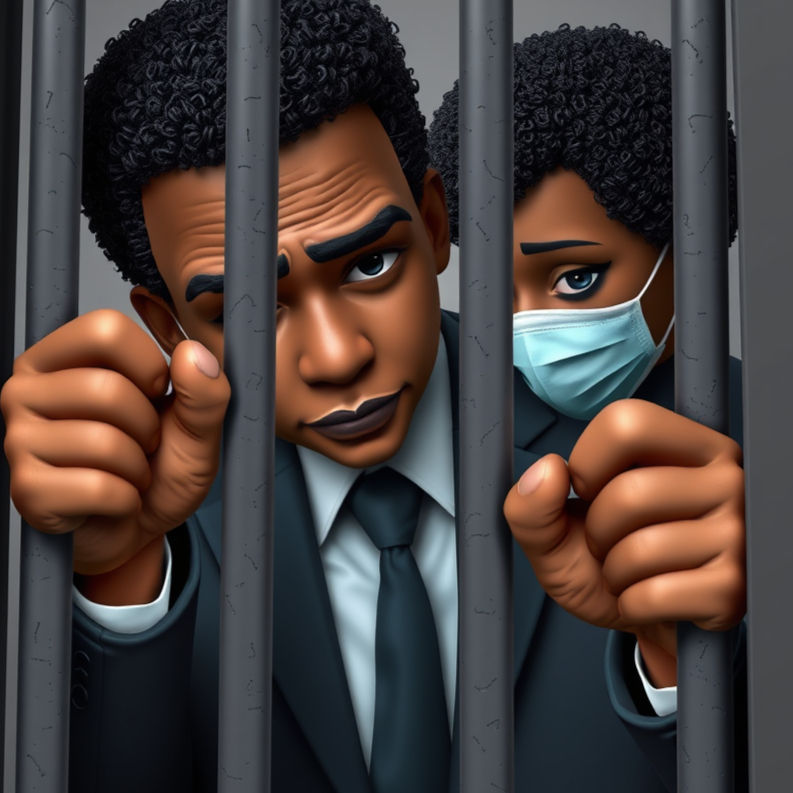
Once upon a time, I worked for an institution that prided itself on the value proposition it offered. Its promise was peace of mind. Its product was security in a world filled with uncertainty. Of course, I am playing on words here, but whatever the promise, it was always presented as though it could offer the very best life had to give.
One day, a colleague from head office walked through my door seeking help and assistance. He had recently accepted an opportunity to work in another part of the organisation. He received his transfer package and eagerly embraced what he believed would be a chance to broaden his experience and gain exposure to another side of the business.
That day, he entered my office, and I invited him to sit in my chair. We exchanged pleasantries, and I offered him the best service I could. As the conversation unfolded, he began to relax. Perhaps it was simply a slip of the tongue, or perhaps it was the relief of finally being heard.
He spoke of feeling depressed, anxious, discouraged, and even angry. As he described his daily experience in that new environment, I sat quietly and listened. I was stunned.
Could this really be the treatment my beloved company had to offer?
The details of what he shared are his story to tell, not mine. Yet everything he described amounted to one haunting conclusion:
"I am working in a prison."
Years later, I still think about that conversation.
Perhaps I could have asked him more questions. Why did you accept the opportunity? What were you hoping to gain? At what point did the promise become a burden? And why didn't you simply say no?
Looking back, I realise those questions are far easier to ask from the outside than they are to answer from within. Many people remain because of financial obligations, career aspirations, loyalty, or the hope that tomorrow will be better than today.
That, however, should in no way absolve an organisation of its responsibility for placing its employees in a position of double jeopardy, where they are forced to choose between earning a living and preserving their wellbeing.
When a workplace begins to feel like a prison, the bars are rarely made of steel. More often, they are forged from fear, silence, toxic leadership, and the quiet belief that there is nowhere else to go.


Comments